Countertop Display Shelf Box Template Review
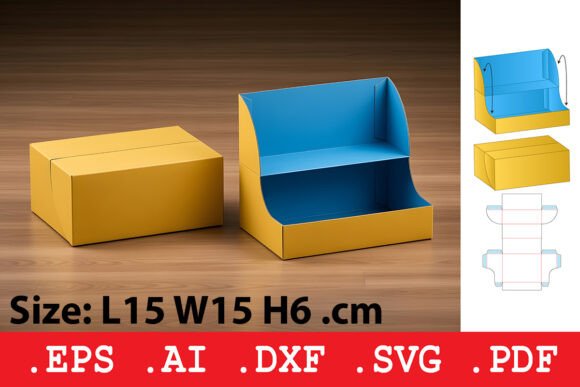
When I first opened the Countertop Display Shelf Box Template, my initial reaction wasn't about the technical specs, but rather the mood it sets. It feels like a quiet moment in a well-organized craft room. The design captures the essence of structure and presentation with its curved back walls and tiered levels. For an embroidery designer, this isn't just a graphic; it is a visual promise of organization and care. It naturally belongs in projects that celebrate handmade goods, boutique branding, or any scenario where the product needs to look as professional as the stitching inside it.
The First Stitch: Visual Personality and Layout
This template transforms from a flat concept into a dynamic, open-front shelf box. That transformation is key for embroidery because it adds depth without requiring complex 3D stitching techniques. The curved back walls suggest softness, while the tiered presentation levels imply value and abundance. When I imagine this stitched onto fabric, it doesn't scream for attention; instead, it invites the viewer to lean in and look closer. It has a clean, modern personality that fits perfectly with contemporary craft businesses.
The layout is spacious enough to accommodate text or smaller icons if you are creating a custom label, yet detailed enough to stand alone as a decorative element. Whether you are working on a custom apparel piece or a kitchen towel, the geometry of the Countertop Display Shelf Box Template provides a solid foundation. It avoids the clutter that often plagues small embroidery designs, ensuring that the final result remains crisp and legible even after washing.
Real-World Application: A Case Study
Last month, I was preparing a holiday gift package for a local boutique client who sells hand-dyed soaps and candles. She wanted something unique to attach to her shipping boxes—a tag that would elevate the unboxing experience. I considered using a simple floral motif, but then I remembered the Countertop Display Shelf Box Template.
I decided to test this design on a heavy cotton canvas tote bag intended to be part of the gift set. The goal was to create a visual link between the packaging and the product itself. As I loaded the file into my machine, I thought about how the tiers of the shelf would translate into thread. Would the density hold up? Would the curves look smooth on the fabric?
The result was striking. The embroidered shelf box looked like a miniature display case sitting right on the tote. When I placed a small, personalized soap bar inside the "box" area (visually represented by the embroidery), the effect was magical. It didn't just look like a logo; it looked like a functional display. Customers receiving these gifts immediately commented on the clever design. It felt bespoke and thoughtful, exactly what a high-end handmade product should convey. This single design elevated the perceived value of the entire gift set, proving that smart design choices can have a tangible impact on customer satisfaction.
Performance Across Different Projects
The versatility of this design makes it suitable for a wide range of applications beyond just the tote bag example. For Etsy sellers and small shop owners, this template offers a reliable asset for creating cohesive branding materials. You could use it as a central motif on a sweatshirt embroidery project for a craft fair booth uniform, or perhaps as a subtle detail on an embroidered patch for a denim jacket.
In the realm of home decor, the Countertop Display Shelf Box Template shines on pillow covers and tea towels. The tiered aspect suggests storage and utility, making it a natural fit for kitchen or nursery themes. For baby embroidery projects, the soft curves make it gentle enough for a baby blanket, while still offering a structured look that parents appreciate. Even for holiday embroidery, this design works beautifully as a festive gift box motif, especially when paired with seasonal thread colors.
For those selling digital products or creating printable mockups, this graphic serves as an excellent placeholder. It helps clients visualize how their own items might look displayed, adding a layer of professionalism to your service offerings. It bridges the gap between a raw digital file and a finished physical product.
Where to Use Caution
While this design is robust, every machine embroidery design has its limitations. If you are planning to stitch this on a very small hoop size, you must carefully review the detail level. Tiny corners or intricate lines within the shelf structure might blur together if the fabric is too tight or the hoop is too small. Always check the recommended dimensions before committing to a small item like a cap brim or a hat panel.
Fabric choice is critical here. On stretchy fabrics like jersey, the fill stitches required for the shelf walls could cause puckering if not stabilized correctly. Similarly, on textured fabrics like terry cloth or thick fleece, the definition of the curved walls might get lost. In these cases, you might need to adjust the stitch density or choose a different background material to ensure clarity.
Dense stitch areas require patience. If the design includes significant fill stitches to represent the shelves, running it on thin fabric without adequate stabilizer could lead to tearing or distortion. Dark fabrics present another challenge; ensure your thread color contrast is high enough so the design doesn't disappear into the background. A light-colored shelf box on a black shirt might lack the necessary pop unless you use a high-density underlay or a contrasting border.
Design Notes for the Professional
Before you start stitching your next batch of finished products, there are a few practical steps to take. First and foremost, test the design on scrap fabric. This is non-negotiable. You need to see how the satins stitch interacts with your specific thread type and fabric grain. Check the thread colors against your fabric to ensure they complement rather than clash.
Review the stitch density closely. If the design feels too heavy, consider reducing the density slightly to improve drape and comfort, especially for wearable items. Confirm your hoop size matches the design dimensions to avoid cropping out important details. Inspect the small details in the corners of the shelf box; sometimes, fine lines can break up during the hooping process if the tension is off.
It is also wise to test the design in black and white mockups. This removes the distraction of color and lets you focus purely on the shape and balance of the Countertop Display Shelf Box Template. Compare how it looks on both light and dark backgrounds to ensure versatility. Always use proper stabilizer—cut-away for permanent wearables and tear-away for lightweight home goods—to maintain the integrity of the embroidery over time.
Finally, confirm your licensing terms. If you plan to sell finished items featuring this design, ensure you have the commercial rights. If you are a digital product seller distributing the file itself, verify the distribution permissions. Understanding the legal boundaries protects your business and ensures you are operating ethically within the craft business community.
Final Thoughts on Value and Trust
The Countertop Display Shelf Box Template does more than just decorate fabric; it communicates reliability. In a market flooded with generic patterns, a design that suggests order and presentation stands out. It builds customer trust by signaling that the maker pays attention to detail. When a buyer sees a well-executed, structurally sound embroidery design, they assume the rest of the product is equally well-crafted.
Whether you are creating a personalized gift for a loved one or developing a line of commercial embroidery assets, this template offers a strong starting point. It balances aesthetic appeal with practical application, making it a valuable addition to any designer's toolkit. By approaching it with careful testing and thoughtful execution, you can transform a simple graphic into a centerpiece of your creative work.