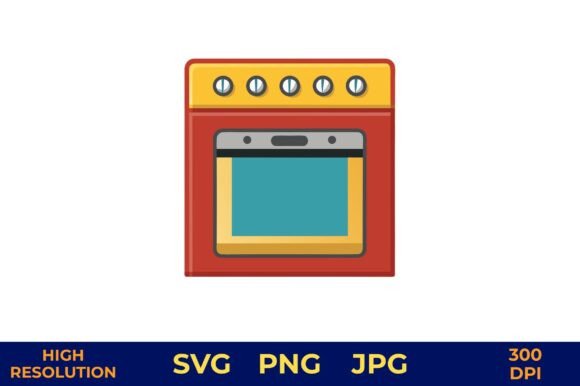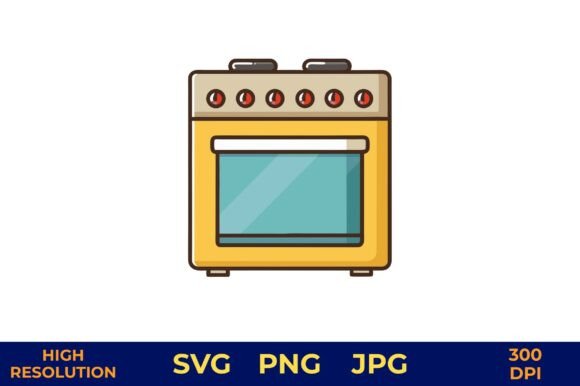
Yellow Oven with Digital Display Vector: Graphics & Illustrations Review
I recently received a request from a client launching a boutique line of artisanal kitchenware. They needed a visual identity that felt warm, approachable, and distinctly modern without leaning into the sterile look of big-box retail. The project required versatile design assets that could transition seamlessly from a physical product label to a digital social media campaign. After reviewing several options, the Yellow Oven with Digital Display Vector stood out as a potential hero element for their brand identity.
As a professional designer, my first impression of this asset was its immediate ability to convey warmth and functionality. The bright yellow hue is not just a color choice; it sets an energetic, optimistic mood that resonates perfectly with home cooking enthusiasts. Unlike generic clipart that often feels flat or dated, this modern design illustration captures the sleekness of contemporary appliances while retaining a charming, handcrafted feel. It naturally fits projects targeting handmade businesses, small business branding, and seasonal campaigns where visual trust and emotional appeal are paramount.
Real-World Application in Client Projects
In the context of the current client project, I envision this graphic design asset serving multiple roles. For the packaging design, it works beautifully as a primary icon on the front of the box, instantly communicating the product category. When scaled down for a logo design or a website graphic, the clean lines ensure recognition even at smaller sizes. However, the true value lies in its versatility across different mediums.
This vector illustration is ideal for creating marketing visuals for a launch event or an Etsy product listing. Imagine using it as a decorative accent on a flyer for a local farmers market or as a central figure in a Pinterest pin promoting a new recipe book. Because it comes in high-quality formats including SVG, PNG, and JPG, it adapts effortlessly to various workflows. For instance, the SVG file allows for precise editing when integrating the oven into a larger design bundle, while the transparent PNG backgrounds make it easy to layer over textured paper mockups or solid color backgrounds.
For creators focused on print-on-demand or Cricut projects, this asset is particularly valuable. It can be used to create sticker designs for laptop lids, sublimation designs for custom mugs, or t-shirt graphics for a cozy kitchen-themed apparel line. The clarity of the digital product ensures that when printed, the details remain sharp, avoiding the pixelation that often plagues lower-resolution clipart.
Strategic Placement and Visual Hierarchy
Understanding where to place the Yellow Oven with Digital Display Vector is crucial for maintaining a polished look. It excels in large layout areas where it can serve as a hero graphic, drawing the eye immediately. In editorial design or blog visuals, it acts as a strong supporting element that breaks up text without overwhelming the content. When used in a themed collection, such as a series of kitchen illustrations, it provides a consistent anchor point that ties the entire set together.
However, there are scenarios where caution is required. If you are working on minimalist branding or corporate materials that demand extreme simplicity, this asset might introduce too much visual noise. Similarly, in crowded layouts with complex backgrounds, the bright yellow could clash with other elements, disrupting the visual hierarchy. Designers should avoid placing this illustration in low-contrast environments where the white background of the original file might get lost against light-colored surfaces.
The asset also influences readability and audience engagement significantly. A well-placed illustration like this adds a layer of personality that pure typography cannot achieve. It signals to the viewer that the brand is friendly and accessible. Yet, if placed incorrectly, it can detract from the message. For example, in a professional corporate setting requiring strict seriousness, a playful oven illustration might undermine the intended authority. Therefore, context is key.
Practical Designer Notes for Commercial Use
Before committing to using the Yellow Oven with Digital Display Vector in a final deliverable, I always run a specific checklist to ensure quality and compliance. First, test the asset in black and white. This step reveals how the shapes hold up without the aid of color, ensuring the form itself is strong enough to stand alone.
Next, check contrast on both light and dark backgrounds. While the provided files include transparent backgrounds, verifying that the yellow pops against your chosen backdrop is essential for accessibility and impact. Preview the design at both small and large sizes to confirm that fine details, such as the digital display numbers, remain legible. A common pitfall is assuming a vector will scale infinitely without losing character; always inspect the curves and corners closely.
When working with the file formats, review the SVG editability if you plan to modify the colors or combine it with other shapes. Inspect the PNG transparency to ensure no unwanted halos or jagged edges exist around the oven's perimeter. Comparing the illustration with different font styles is also vital. A bold sans-serif font might pair best with the modern aesthetic, whereas a script or handwritten font could create a delightful contrast for a more rustic vibe. Avoid pairing it with overly ornate display fonts that compete for attention.
Finally, confirm the commercial license before using the asset for any client or business project. Ensure that the terms allow for resale in products like stickers, prints, or digital templates. Whether you are building a brand identity for a startup or creating social media graphics for a holiday sale, knowing your rights protects both you and your client.
Final Thoughts on Creative Potential
The Yellow Oven with Digital Display Vector is more than just a picture of an appliance; it is a versatile tool for creative storytelling. It bridges the gap between digital convenience and tangible craft, making it suitable for web design, mobile apps, and physical merchandise alike. By understanding its strengths and limitations, designers can leverage this asset to elevate their projects from ordinary to exceptional.
For anyone looking to add a touch of warmth and modernity to their work, this illustration offers a reliable foundation. Whether you are a crafter, a digital seller, or a seasoned marketer, integrating this commercial design asset into your workflow can save time while delivering a professional finish. It proves that the right graphic can do more than decorate; it can define a brand's voice and connect with an audience on a deeper level.