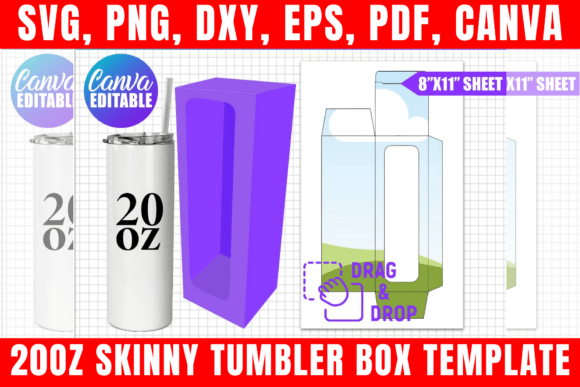
Reviewing the 20oz Skinny Tumbler Box Canva Template
As a designer who spends more time than I care to admit staring at stitch counts and fabric grain, I approach every new asset with a healthy dose of skepticism. We have all been there: you find a graphics template that looks stunning in a digital preview, only to realize it falls apart when translated into thread. Today, I am putting the 20oz Skinny Tumbler Box Canva Template through its paces. This isn’t just about looking pretty on a screen; it is about how this design holds up when it becomes a tangible handmade product or a commercial asset for your shop.
I received this Print Templates file with the intention of creating a cohesive branding package for a small batch of custom embroidered tumbler boxes. The goal was simple: create a professional, gift-ready presentation that matches the aesthetic of my embroidery work. Here is my honest breakdown of how this template performs in real-world scenarios, from the initial digital layout to the final stitched detail.
First Impressions and Visual Personality
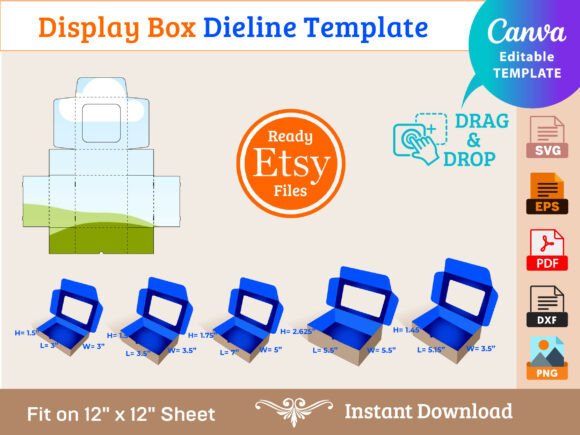
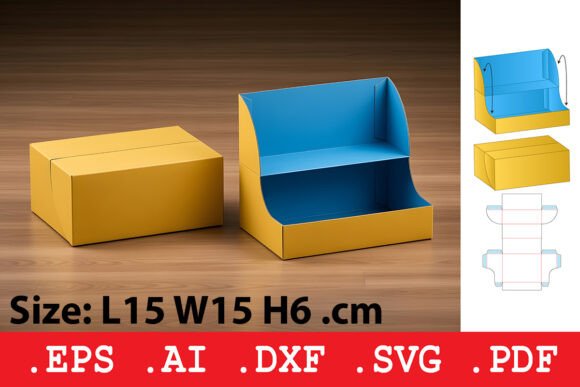
The moment I opened the Canva file, the layout felt surprisingly grounded. Many box templates try too hard to be flashy, resulting in cluttered designs that lose their impact when scaled down. This one strikes a balance between modern minimalism and functional clarity. The shape mimics a standard 20oz skinny tumbler box, which immediately tells me where this belongs in my workflow.
The visual personality is clean and airy. It creates a mood of thoughtful gifting. For an Etsy seller or someone running a craft business, this kind of aesthetic builds immediate trust. Buyers associate clean, well-proportioned packaging with quality craftsmanship. When you pair this template with high-quality embroidery, the contrast between the soft texture of the stitches and the crisp lines of the box design elevates the perceived value of the item. It feels less like a generic printable and more like a boutique brand element.
Real-World Application in Embroidery Projects
Let’s talk about how this fits into actual production. I tested this concept by designing a matching set: a custom embroidered tote bag and a holiday gift box using this template. The synergy was strong. The template provided a structural anchor for my embroidery project. Instead of scrambling to figure out dimensions for a gift wrap, I had a clear guide for where to place my logo and decorative elements.
This template shines when used as part of a broader merchandising strategy. Imagine selling a sweatshirt embroidery piece alongside a matching tote bag design. Using this box template for the packaging ensures that the unboxing experience reinforces the brand identity. It works equally well for personalized gifts, such as baby items or wedding favors. The vertical orientation of the 20oz skinny box format allows for elegant, elongated stitching patterns that flow naturally from top to bottom, making it ideal for applique design or long satin stitch monograms.
For those of us creating digital embroidery files to sell, this template serves as an excellent mockup tool. You can place your finished machine embroidery design onto the box graphic to show potential buyers exactly how the final finished product will look. This reduces ambiguity and helps customers visualize the scale and placement of the embroidery before they commit to a purchase.
Where to Exercise Caution
No design is perfect for every situation, and knowing where to draw the line is what separates a pro from a hobbyist. While this template is visually appealing, it requires careful consideration regarding scale and fabric choice.
- Hoop Size Limitations: If you are attempting to embroider directly onto a physical version of this box (using cardstock or heavy paper with adhesive stabilizer), you must ensure your hoop size accommodates the full width of the design. Tight corners in the box structure can sometimes cause puckering if the stitch density is too high.
- Fabric Texture: This design relies on clean lines. If you plan to apply this to a highly textured fabric, such as a chunky knit blanket or a nubby linen apron, fine details may get lost. In these cases, I recommend simplifying the running stitch accents or opting for a bold fill stitch block instead of intricate linework.
- Small Details: Be wary of tiny lettering or minute decorative accents. When digitizing or printing, these small elements can become muddy. Always inspect small details closely. If the text is meant to be read, ensure it is large enough to remain legible after stitching.
- Dense Stitch Areas: Avoid placing dense clusters of thread in areas where the box folds. The tension from the stabilizer and the folding process can distort the embroidery, causing the box to warp or tear over time.
Practical Designer Notes for Success
To get the most out of the 20oz Skinny Tumbler Box Canva Template, follow these practical steps before committing to a full production run.
- Test on Scrap Fabric: Never assume a design will stitch out perfectly on the first try. Use a scrap of the same fabric type you plan to use for your final product. Check how the thread colors interact with the material.
- Check Contrast: Review your design in black and white mockups. Sometimes, colors that look distinct on screen merge together in thread form. Ensure there is enough contrast between adjacent colors to maintain clarity.
- Inspect Small Details: Zoom in on the digital file. Are the curves smooth? Are the corners sharp? If you are modifying the template, ensure you haven’t inadvertently created overlapping paths that could confuse your digitizing software.
- Compare Backgrounds: Test the design against both light and dark fabric backgrounds. A template that pops on white might disappear on navy blue. Adjust your thread colors accordingly to maintain visibility.
- Use Proper Stabilizer: The integrity of your embroidery project depends heavily on the support beneath the fabric. For delicate fabrics, use a cut-away stabilizer. For stable fabrics, a tear-away may suffice. This prevents distortion during stitching.
- Confirm Licensing: Before listing any small shop product or commercial embroidery item based on this template, verify the licensing terms. Ensure you are allowed to sell finished goods made from the design. Some design assets are for personal use only, while others permit commercial resale.
Final Verdict
The 20oz Skinny Tumbler Box Canva Template is a versatile, well-thought-out asset that bridges the gap between digital planning and physical creation. It offers a professional framework for custom apparel packaging, holiday embroidery gifts, and boutique branding. By paying attention to stitch density, fabric choice, and licensing, you can transform this simple template into a powerful tool for growing your craft business.
It is not a magic bullet that fixes poor digitization, but it is an excellent foundation for anyone serious about presenting their handmade products with polish and precision. Whether you are a seasoned Etsy seller or a beginner exploring printable mockups, this template adds a layer of professionalism that customers appreciate. Just remember: the best designs are those that are tested, refined, and applied with intention.